Teacher Svg Cutting File 11: An Embroidery Review
First Impressions for the Apparel Decorator
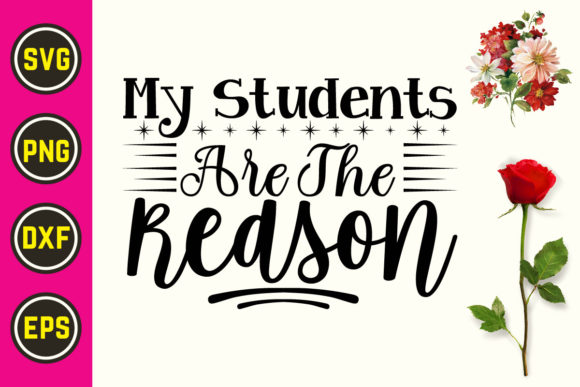
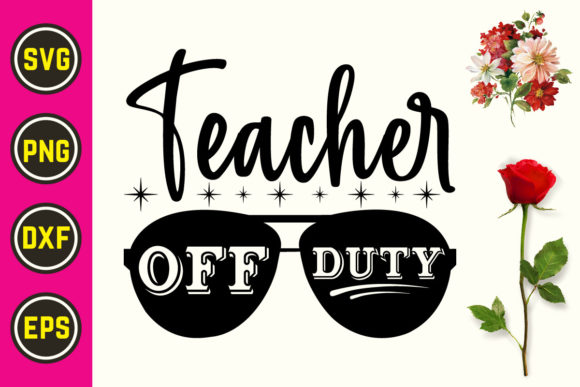
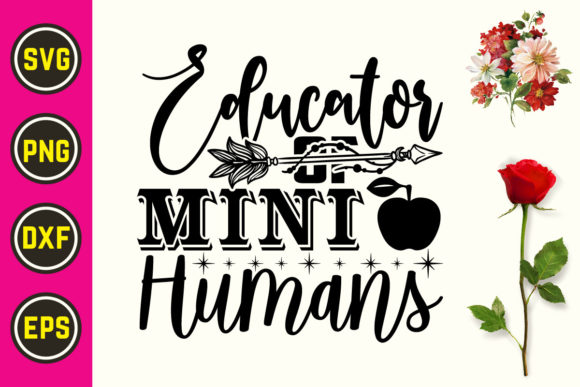
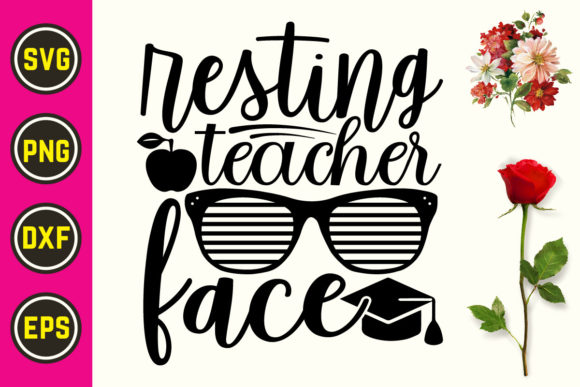
When I first opened Teacher Svg Cutting File 11, my immediate focus was not just on the aesthetic appeal, but on how these vector lines would translate into actual thread paths. As a designer who bridges the gap between digital graphics and tangible textiles, I look for clean geometry and intentional spacing. This digital artwork, while primarily marketed for cutting software like Cricut Design Space and Silhouette Studio, holds significant promise for the embroidery digitizer. The four included files offer a versatile foundation for creating custom apparel and school spirit wear. The mood is distinctly educational yet modern, avoiding the cluttered, overly cutesy vibe that often plagues teacher-themed merchandise. It feels professional enough for staff uniforms but playful enough for student gifts.
For those of us in the Crafts and Graphics sectors, this file represents a hybrid opportunity. While it arrives as an SVG, its structure suggests it can be easily converted into a high-quality machine embroidery design. The lines appear confident, which is crucial when planning satin stitch borders or running stitch outlines. My initial assessment is that this design respects the limitations of fabric; it does not rely on impossible gradients or microscopic details that would turn into a thread nest on a hoop. Instead, it offers clear shapes that invite creative interpretation through applique design techniques or traditional fill stitch patterns.
Real-World Application: The Custom Sweatshirt Test
To truly evaluate Teacher Svg Cutting File 11, I mentally placed it onto a heavyweight cotton sweatshirt intended for a boutique educator collection. In this real-life scenario, the goal was to create a personalized gift that a teacher would actually want to wear outside the classroom. The design’s layout works exceptionally well as a left-chest placement or a centered back print. For embroidery, I envision converting the main graphic elements into a combination of applique and satin stitch columns. This approach reduces stitch density significantly compared to a full fill stitch version, keeping the garment soft and wearable rather than stiff and bulletproof.
From a business perspective, this versatility is gold for an Etsy seller or small shop product line. You could use the raw SVG for vinyl heat transfer on tote bags while simultaneously offering a premium embroidered patch version using the same visual assets. This consistency across different mediums builds brand recognition and trust with buyers. When a customer sees that your handmade product maintains structural integrity whether printed or stitched, it validates the professionalism of your craft business. The design’s balanced composition ensures that even when scaled for different applications, the core identity remains intact, making it a reliable asset for commercial embroidery projects.
Navigating Fabric Limitations and Hoop Constraints
However, no digital file is without its physical challenges. When adapting Teacher Svg Cutting File 11 for textile use, you must be hyper-aware of fabric texture and stability. If you are stitching this onto a stretchy knit or a textured towel, the crisp lines of the original SVG may distort without proper compensation. I strongly advise against using this design on highly unstable fabrics without testing first. The geometry requires precision; if the fabric shifts during stitching, the registration between outline and fill will fail, ruining the finished product.
Hoop size is another critical consideration. While the SVG is scalable, embroidery has hard limits. Before committing to a large jacket back piece, verify that the design fits your machine’s maximum embroidery area without requiring excessive re-hooping. Small hoop sizes may force you to simplify the design, potentially losing some of the charming details that make this graphic special. Additionally, be cautious with tiny lettering if the file includes text elements. Standard embroidery machines struggle with serif fonts smaller than 6mm. You may need to modify the typeface to a blockier sans-serif or increase the scale to ensure legibility. Always check the licensing terms included with your instant download to confirm whether modified versions are permitted for commercial sale.
Technical Considerations for Stitch Clarity
- Stitch Density Management: Avoid default auto-digitizing settings. Manually adjust underlay stitches to prevent the design from sinking into plush fabrics like fleece or terry cloth.
- Thread Color Contrast: Test the design in black and white mockups before stitching. If the contrast relies solely on color rather than value, the embroidery may look flat on similar-toned fabrics.
- Stabilizer Selection: Use a cut-away stabilizer for stretchy apparel to maintain the shape of the SVG lines over time. Tear-away is rarely sufficient for detailed graphics on knits.
- Corner Detail Inspection: Sharp corners in vector art often translate to jagged stitches. Round off internal corners slightly during digitizing to allow the needle to turn smoothly without perforating the fabric.
Elevating Product Value Through Professional Execution
The difference between a hobbyist project and a sellable commodity often lies in the finishing. Teacher Svg Cutting File 11 provides the blueprint, but your execution determines the value. When used correctly, this design enhances the perceived worth of baby embroidery items, holiday embroidery gifts, and custom apparel. Buyers engage more deeply with products that show thoughtful construction. A cleanly hooped, well-stabilized design signals that the maker understands their craft. This is particularly important for digital product sellers who might offer this as part of a larger bundle; showing high-quality stitched samples alongside the digital file increases buyer confidence and engagement.
Furthermore, consider the longevity of the item. Teacher gifts are often kept for years. Ensuring that your stitch type selection matches the intended use—such as using durable polyester threads for frequently washed aprons or tea towels—adds functional value to the aesthetic appeal. The design should not just look good in a printable mockup; it must survive the laundry cycle. By treating this SVG as a technical guide rather than just a picture, you transform a simple digital download into a cornerstone of a sustainable handmade business.
Essential Pre-Stitch Checklist for Makers
- Verify File Compatibility: Confirm that the 4 included files can be imported into your specific digitizing software. Not all SVGs map perfectly to embroidery platforms.
- Test on Scrap Fabric: Never stitch directly onto a final product without a test run. Use a scrap of the exact same material and stabilizer combination you plan to use.
- Check Licensing: Review the instant download documentation carefully. Ensure you have the rights to sell finished embroidered products versus just the digital file itself.
- Mockup Validation: Create both light and dark background mockups. Some thread colors disappear against dark fabrics unless outlined or backed with white underlay.
- Scale Appropriately: Measure the actual stitch area. What looks proportional on a screen may be overwhelming or too small on a physical cap or pocket.
Ultimately, Teacher Svg Cutting File 11 is a robust starting point for creative entrepreneurs. It bridges the digital and physical worlds effectively, provided the user applies sound embroidery principles. Whether you are crafting a personalized gift for a favorite educator or building a seasonal inventory for your Etsy shop, this design offers the flexibility needed for modern production. Treat it with the respect due any professional design asset, and it will serve your business well across multiple seasons and product categories.