Teacher SVG Review: Real Embroidery Application
As a designer who spends more time behind an embroidery machine than a computer screen, I approach every new digital asset with a healthy dose of skepticism. When evaluating the Teacher SVG and Virtual Teacher SVG for potential use in my shop, my first question is never about how cute it looks on a monitor. My question is always: will this actually stitch out cleanly on a textured tote bag or a stretchy sweatshirt without puckering? This review breaks down the practical realities of translating this specific graphic into a tangible, high-quality embroidered product that customers will actually want to buy and wear.
First Impressions and Design Personality
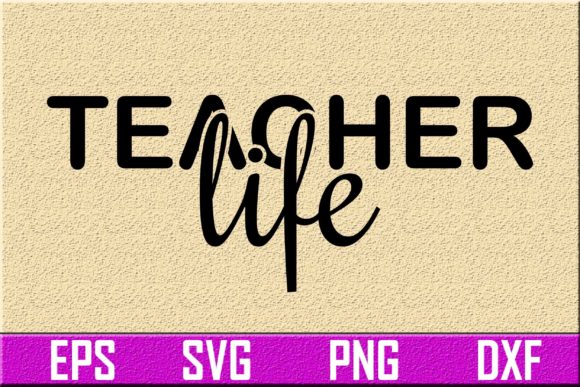
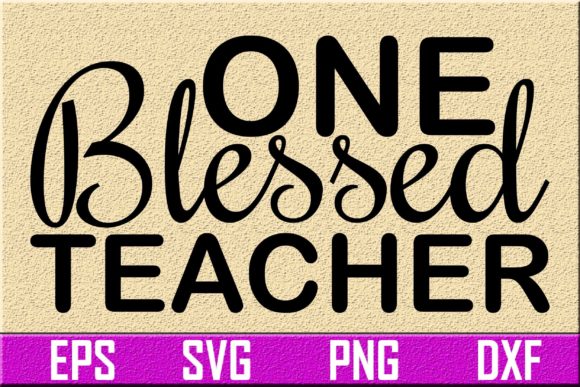
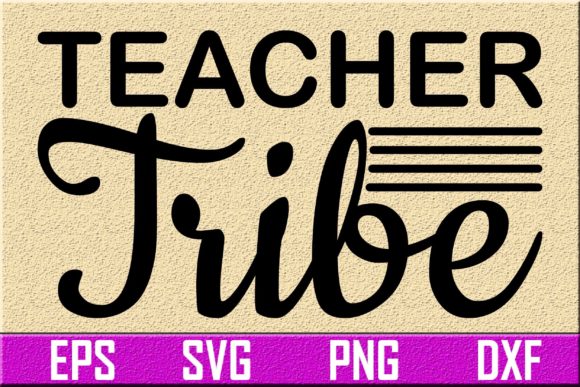
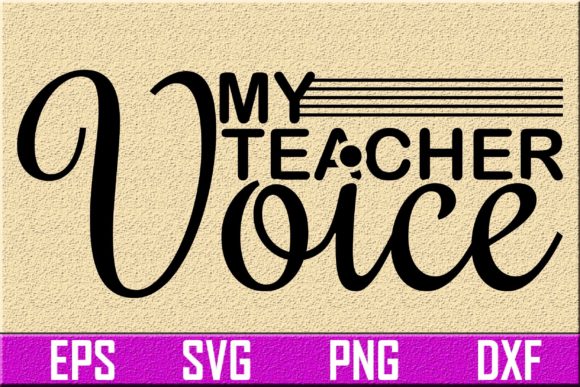
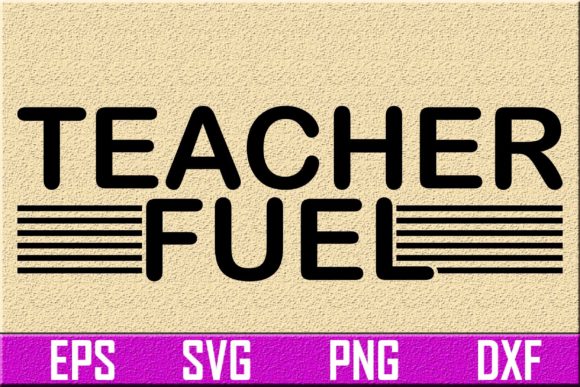
Upon opening the file, the Teacher SVG presents a clean, recognizable silhouette that immediately communicates its theme. For those of us in the Crafts category, visual clarity is everything. The design avoids overly intricate internal details that often turn into thread nests when digitized. Instead, it relies on strong shapes and balanced negative space. This is crucial because, as any experienced embroiderer knows, what looks like a charming detail in a vector Graphics file can become a dense, bulletproof patch of stitches if not handled correctly during digitization.
The mood of this design strikes a balance between professional appreciation and heartfelt warmth. It does not feel childish, which makes it versatile for adult apparel and staff gifts, yet it retains enough whimsy to work for classroom decor. When I visualize this as a finished embroidery project, I see it working best as a left-chest placement on a crewneck sweatshirt or centered on a canvas tote bag. The layout suggests it has been created with physical application in mind, rather than just being a flat illustration repurposed for stitch.
Real-World Application: The Custom Tote Bag Test
To truly evaluate this asset, I mentally ran through a recent client request: a set of personalized teacher appreciation tote bags. Canvas is unforgiving; it is thick, textured, and prone to shifting. Using the Teacher SVG as the foundation for this tote bag design, I considered how the lines would interact with the fabric weave.
If utilizing this as an applique design, the outer edges appear substantial enough to support a satin stitch border without fraying. However, if you are planning a full-stitch version, you must pay attention to stitch density. On a tote bag, I would recommend increasing the underlay to prevent the canvas texture from poking through the fill areas. For a sweatshirt embroidery project, the concern shifts to stretch. The design’s shape seems stable enough to withstand the movement of fleece, provided you use a cutaway stabilizer and perhaps a light topping to keep the stitches from sinking into the pile.
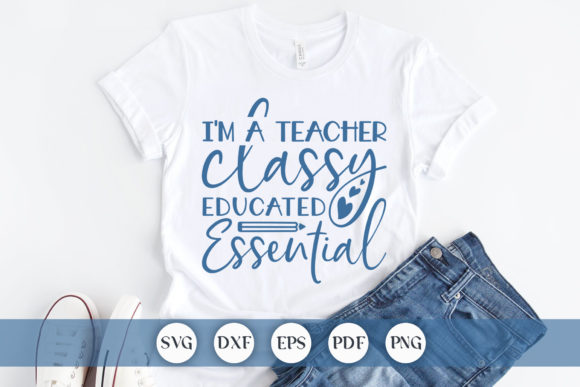
This versatility is where the value lies for an Etsy seller or small business owner. You aren't buying a single-use image; you are acquiring a flexible asset that can transition from custom apparel to holiday embroidery on tea towels with minimal adjustment. The "Virtual Teacher" variation specifically offers a modern twist that resonates with remote educators, expanding your potential customer base beyond traditional classroom gifts.
Navigating Fabric Limitations and Hoop Sizes
While the Teacher SVG is adaptable, it requires strategic decision-making regarding placement and substrate. Not every fabric is a suitable canvas for this level of detail. I would advise caution when attempting this design on very thin, sheer fabrics or highly elastic performance wear unless you are using significant stabilization. The weight of the thread could distort the garment, making the finished product look unprofessional.
Furthermore, consider your hoop size limitations before committing to a production run. If you are working with a 4x4 hoop, verify that the critical elements of the Virtual Teacher SVG do not get lost when scaled down. Tiny lettering or thin connecting lines may disappear or break needles at smaller sizes. Conversely, scaling up for a jacket back requires checking if the fill stitch areas become too sparse or if the running stitch outlines remain crisp. Always test on scrap fabric that matches your final project's weight and texture. A design that looks perfect on stiff denim might fail completely on a ribbed knit baby onesie.
For those creating embroidered patches, this design likely has excellent potential due to its defined borders. Patches require dense satin borders and sturdy backing, and the geometry here seems conducive to that style of manufacturing. However, for curved surfaces like caps, you would need to verify if the vertical height fits within your cap frame’s safe zone without distorting the aspect ratio.
Commercial Viability and Customer Perception
In the competitive world of handmade products, perceived value drives sales. Customers trust sellers who deliver consistent quality. Using a well-structured Teacher SVG contributes directly to that trust. When the stitching is smooth, the registration is aligned, and the design sits flat against the fabric, it signals professionalism. This is particularly important for personalized gifts where emotional value is high; a messy stitch-out ruins the sentiment.
For digital product sellers offering this file to other crafters, transparency is key. Clearly state the recommended skill level and fabric types. If you are selling physical items, use this design to create cohesive collections. The visual consistency between a mug wrap, a vinyl decal, and an embroidered polo creates brand recognition. Just ensure you have confirmed the licensing terms for commercial embroidery use before listing items for sale. Never assume a file is cleared for profit-generating activities without verifying the creator's terms.
Essential Designer Notes for Success
Before you thread your needle or list your item, run through this practical checklist to ensure the Teacher SVG performs as expected:
- Verify File Compatibility: Ensure the digital embroidery file format matches your machine. While the description mentions SVG for crafting, confirm you have the correct PES, DST, or JEF file for stitching.
- Test Stitch Density: Run a sample on your intended fabric. If the design feels stiff or cardboard-like, reduce the density. If the fabric shows through, increase it or add underlay.
- Check Thread Contrast: View the design in black and white mockups to ensure readability. Some thread colors that look distinct on screen may blend together in real life, especially on dark fabrics.
- Stabilizer Selection: Match your stabilizer to the fabric, not just the design. Use tear-away for stable wovens and cutaway for knits and stretchy materials to maintain the integrity of the machine embroidery design.
- Licensing Confirmation: Double-check if the license covers both physical sales and digital redistribution. Protect your craft business by respecting intellectual property rights.
- Mockup Accuracy: When creating printable mockups for your listings, use realistic textures. Showing a flat digital image misleads buyers about how the embroidery file actually renders on cloth.
Ultimately, the Teacher SVG and Virtual Teacher SVG represent a solid opportunity for makers looking to expand their educational niche offerings. By approaching the file with technical awareness and respecting the nuances of textile decoration, you can transform a simple digital graphic into a premium small shop product that delights teachers and showcases your craftsmanship. Remember, the best designs are those that survive the transition from screen to seam with their charm intact.