Other Teacher SVG Leopard Pattern: Embroidery Review
As a professional embroidery designer and product reviewer, I approach every new digital asset with a critical eye toward stitchability and marketability. When evaluating the Other Teacher Svg, Leopard Pattern Svg, my primary focus is not just on the aesthetic appeal of the graphic, but on how it translates from a vector file to a tangible, stitched reality. This design sits at the intersection of trendy aesthetics and niche appreciation, targeting a specific demographic that values both style and recognition. For craft business owners and Etsy sellers, understanding the practical application of this machine embroidery design is essential before listing finished products or offering custom apparel services.
First Impressions and Visual Personality
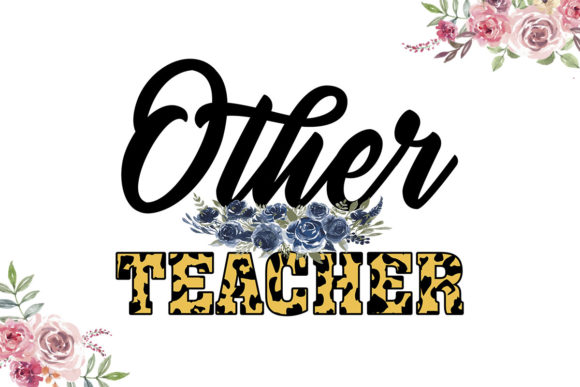
Upon opening the zip file containing the SVG, PNG, EPS, DXF, and JPG formats, the immediate impression is one of modern warmth. The leopard pattern provides a textured, organic backdrop that softens the potentially rigid typography often associated with teacher-themed merchandise. Unlike standard school graphics that can feel juvenile or overly academic, this design carries a boutique quality. It feels appropriate for adult educators, special education professionals, or support staff who want personalized gear that aligns with current fashion trends rather than traditional classroom clipart.
The layout suggests versatility. As a Graphics asset within the Crafts category, the vector lines appear clean, which is a promising sign for digitizing. However, visual cleanliness on screen does not always guarantee stitching success. The complexity of the leopard spots requires careful consideration regarding stitch density. If the spots are too small, they risk becoming muddy thread blobs; if they are too large without texture, they may look flat. This design naturally belongs on items that bridge the gap between professional identity and personal style, such as a high-quality sweatshirt embroidery project or a stylish tote bag design.
Real-World Application: The Custom Sweatshirt Test
To truly evaluate this asset, I mentally placed it in a real-life production scenario: creating a custom crewneck sweatshirt for a special education teacher’s holiday gift. This is a common request for small shop products during the gifting season. The goal was to create a handmade product that felt premium and wearable outside of the classroom.
In this context, the Other Teacher Svg, Leopard Pattern Svg serves as an excellent applique design foundation. Rather than attempting to embroider the entire leopard print as a dense fill stitch—which would result in a bulletproof patch of thread and potential fabric distortion—I envision using the SVG to cut a printed or sublimated fabric piece via Cricut or Silhouette. The embroidery machine would then secure this with a satin stitch border and add the text elements in a complementary running stitch or satin column. This hybrid approach preserves the detail of the leopard pattern while keeping the stitch count manageable and the garment comfortable.
For an Etsy seller, this method increases profit margins by reducing machine run time while maintaining a high perceived value. The resulting custom apparel looks intentional and professionally finished, distinguishing it from generic heat-transfer vinyl alternatives. Customer trust is built when the embroidery complements the fabric rather than overwhelming it, and this design facilitates that balance perfectly when executed with mixed media techniques.
Navigating Fabric Textures and Stabilizer Choices
While the design is versatile, it demands respect for fabric physics. Leopard patterns rely on contrast and definition, both of which can be lost on inappropriate textiles. I strongly advise against using this design on highly textured fabrics like terry cloth or thick fleece without significant modification. The intricate details of the animal print will sink into the pile, rendering the design unrecognizable and wasting valuable embroidery time.
Conversely, thin or stretchy fabrics present their own challenges. If you are producing baby embroidery items or lightweight summer tees, the weight of the thread must be balanced with proper stabilizer. A tear-away backing alone is rarely sufficient for a design with this level of visual complexity. I recommend a medium-weight cutaway stabilizer to prevent puckering around the satin stitch borders. Always test the design on scrap fabric first. Check thread color contrast against your specific garment color; leopard prints often require three distinct shades to read correctly. If stitching on dark fabric, ensure the design includes an underlay or white base layer, otherwise, the vibrant colors will get swallowed by the background.
Critical Considerations for Small Details and Hoop Sizes
One area where digital files can deceive is scale. Before committing this digital embroidery file to a commercial embroidery project, verify the minimum viable size. Intricate leopard spots have a lower limit; shrinking the design below 4 inches wide may cause the needle perforations to merge, creating holes rather than art. Confirm your hoop size accommodates the design with adequate margin for stabilization. If you plan to use this for embroidered patches or caps, you must re-digitize or simplify the internal details. Curved surfaces distort flat vectors, and what looks perfect in Adobe Suite may warp on a structured hat front.
- Stitch Density Check: Inspect the file in your embroidery software to ensure no area exceeds safe density limits for your target fabric.
- Thread Colors: Map out your palette before stitching. Variegated threads can sometimes enhance the natural look of leopard print, but solid colors offer more control.
- Licensing Verification: While the zip contains files for Cricut Explore, Silhouette Designer Edition, and Adobe Suite, always confirm the specific commercial license terms regarding selling finished products versus digital redistribution.
- Mockup Testing: Use the included PNG and JPG files to create printable mockups for your listings. Test these mockups in black and white to ensure the design reads clearly in grayscale thumbnails.
Commercial Viability and Brand Consistency
For creative entrepreneurs and digital product sellers, the value of this asset extends beyond a single project. It acts as a cornerstone for brand consistency within a niche collection. When building a shop inventory, having cohesive design assets allows for cross-selling. A customer buying a personalized gift tote bag might return for a matching pillow cover or kitchen towel if the aesthetic remains consistent.
The "Other Teacher" theme specifically addresses an underserved market segment. General teacher designs are saturated, but specialized roles often lack stylish representation. By utilizing this design, makers can capture buyer engagement through relevance. However, professionalism is key. Avoid placing this design next to cartoonish or low-resolution graphics in your portfolio. Treat it as a premium asset. Use the high-resolution PNG for social media marketing and the SVG for precise cutting alignment. This attention to presentation signals to buyers that your finished product is equally refined.
Final Practical Notes for Makers
Before adding this to your production queue, remember that digital files are starting points, not guarantees. The inclusion of DXF and EPS formats ensures compatibility across various platforms, from Inkscape to Corel Draw, but your specific machine's interpretation matters most. Run a sew-out on the exact material you intend to sell. Inspect the registration between the leopard elements and any accompanying text. Are the edges crisp? Is the fabric stable? Does the design evoke the intended mood of appreciation and style?
Ultimately, the Other Teacher Svg, Leopard Pattern Svg is a strong contender for modern embroidery projects when treated with technical mindfulness. It offers a fresh alternative to standard educational motifs, provided the maker respects the interplay between digital art and physical thread. Whether you are crafting a holiday gift for a colleague or scaling up your Etsy shop’s seasonal offerings, this design brings both aesthetic charm and commercial potential to the table. Just remember: successful embroidery is 50% design selection and 50% technical execution. Validate both, and this pattern will serve your business beautifully.