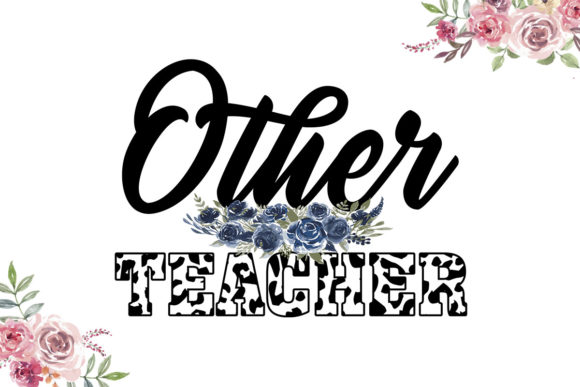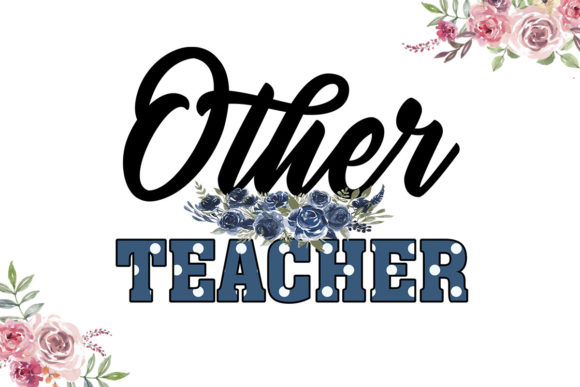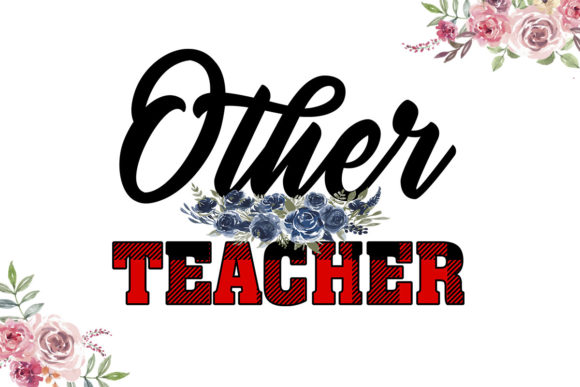
Other Teacher Svg, Plaid Pattern: Embroidery Review
As a designer who spends more time behind an embroidery hoop than a computer screen, I approach every new digital asset with a healthy dose of skepticism. When evaluating the Other Teacher Svg, Plaid Pattern Svg, my first thought isn't about how cute it looks on a monitor; it is about how those vector lines will translate into physical thread on fabric. This design sits at the intersection of two massive niches in the Crafts category: educator appreciation and timeless plaid aesthetics. For small business owners and Etsy sellers, this combination is gold, but only if the execution holds up under the needle.
The visual personality of this file strikes a balance between nostalgic academia and modern farmhouse charm. It doesn't feel overly juvenile, which makes it versatile for adult apparel and home decor rather than just children's items. The layout suggests a structured composition where the plaid serves as either a background fill or a framing element for typography. From a professional standpoint, this is exactly what we look for in Graphics intended for production: clear hierarchy and intentional negative space that allows for customization without overcrowding the final stitch-out.
Real-World Application: The Teacher Appreciation Tote
To truly judge this asset, I mentally placed it into a current client project: a batch of canvas tote bags for a school district’s end-of-year staff gift. Teachers carry heavy loads, both literally and metaphorically, so the design needs to be durable and legible from a distance. Using the Other Teacher Svg, Plaid Pattern Svg as a centerpiece for a tote bag design works exceptionally well because the geometric nature of plaid provides stability on woven canvas.
In this scenario, I would utilize the SVG file to create a custom appliqué shape or a dense fill area. The plaid pattern offers a fantastic opportunity to play with texture. Instead of a flat print, imagine using a textured thread or a variegated colorway to mimic the weave of actual fabric. This elevates the perceived value of the handmade product. For an Etsy seller, listing photos showing this tactile difference can significantly boost buyer engagement. Customers aren't just buying a bag; they are buying the craftsmanship that turns a digital file into a premium personalized gift.
Translating Vectors to Stitches on Apparel
When moving from sturdy canvas to custom apparel like sweatshirts or t-shirts, the technical evaluation becomes stricter. Sweatshirt fleece is forgiving, but lightweight knits require careful planning. If you are using this design for sweatshirt embroidery, the plaid elements should ideally be digitized with a lighter stitch density to prevent puckering. Heavy fills on stretchy fabric are the enemy of professional results.
I recommend treating the plaid sections as distinct zones. If the Other Teacher Svg, Plaid Pattern Svg includes intricate intersections, consider breaking them into separate color stops. This allows you to change thread colors easily and manage tension better. For baby embroidery or lighter garments, you might need to simplify the design. A complex plaid that looks crisp on screen can turn into a bulletproof vest on a onesie if not adjusted. Always prioritize wearability over digital perfection. A soft, flexible stitch-out ensures the garment remains comfortable, which is crucial for customer satisfaction and repeat business in your craft business.
Navigating Fabric Textures and Hoop Limitations
Not all substrates are created equal, and this design demands respect for fabric texture. While it shines on smooth cottons and linens, use caution on highly textured surfaces like terry cloth or minky. The fine lines typical of plaid patterns can get lost in the pile of a towel or blanket. If you are creating a holiday embroidery item like a Christmas stocking or pillow cover, test the contrast first. Dark fabrics can swallow the definition of a plaid unless you use high-sheen rayon or metallic threads to catch the light.
Hoop size is another critical factor. Plaid designs often rely on repetition to establish the pattern. If you are forced to shrink this design to fit a 4x4 hoop for a cap or pocket, you risk losing the "plaid" identity entirely, leaving you with muddy blocks of color. Conversely, stretching it too large for a jacket back might reveal gaps in the digitizing. Before committing to a full production run for your small shop product, verify that the scale maintains the integrity of the pattern. Curved surfaces like caps present additional challenges; the horizontal and vertical lines of a plaid must align perfectly with the curve of the hat, or the optical illusion breaks. In these cases, a modified version of the Other Teacher Svg, Plaid Pattern Svg specifically digitized for curved stitching is often necessary.
Professional Standards and Commercial Viability
For creative entrepreneurs selling finished goods, consistency builds trust. Your commercial embroidery output must match the quality promised in your printable mockup. I always advise running a black-and-white test stitch before introducing color. This strips away the distraction of hue and reveals the true structure of the embroidery file. Are the satin stitches pulling? Is the registration off at the corners? These flaws are invisible in a digital preview but glaring on a finished product.
Licensing is equally important. The product description confirms this is an instant download containing SVG, PNG, EPS, DXF, and JPG files compatible with Cricut, Silhouette, Adobe Suite, Inkscape, and Corel Draw. However, as a responsible business owner, you must confirm the specific commercial license terms regarding the sale of physical embroidered items versus digital redistribution. Never assume. Protecting your shop means respecting intellectual property while ensuring your design assets are cleared for your intended revenue stream.
Designer Notes for Optimal Results
To get the most out of this design, treat it as a starting point rather than a final destination. Here are practical steps I take when integrating this type of graphic into my workflow:
- Stabilizer Selection: Match your stabilizer to the weight of the plaid fill. Cutaway for knits, tear-away for wovens. Do not skimp here.
- Thread Contrast: Plaid relies on color interaction. Test thread combinations on scrap fabric identical to your project base. Screen colors do not equal thread colors.
- Detail Inspection: Zoom in on the vector nodes. If the plaid lines are thinner than 1mm, they may need to be converted to running stitches or thickened for satin stitches to prevent needle breaks.
- Mockup Reality Check: Create mockups that show texture, not just flat color. This sets accurate expectations for buyers purchasing custom apparel or gifts.
- Wash Testing: If selling tea towels or baby items, wash your test sample three times. Plaid fills can distort if the underlay wasn't sufficient. Better to discover this now than after a customer review.
The Other Teacher Svg, Plaid Pattern Svg is a robust asset for makers who understand the translation from screen to stitch. It carries the warmth and recognition needed for teacher gifts and seasonal decor, provided it is handled with technical precision. By focusing on fabric compatibility, appropriate scaling, and professional finishing, you transform a simple digital download into a signature product that defines your brand's quality. Whether you are crafting a single embroidered patch or outfitting an entire boutique collection, let practical judgment guide your needle.